I have worked with different power backup setups in data centers, and one thing I have learned is that power stability is everything. Even a few seconds of downtime can cause data loss and service issues. This is where a modular UPS system becomes very useful.
In this article, I will explain the details of modular ups technology for data centers in a simple and practical way.
What is a Modular UPS System
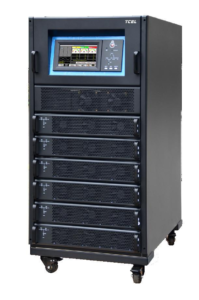
A modular UPS system is a type of power backup system that is built using small power modules instead of one large unit. Each module works like a small UPS. When combined, they provide the required power for the data center.
This design is very flexible. I can add or remove modules based on the power need without replacing the full system.
How Modular UPS Works
In a modular UPS system, the load is shared between multiple modules. Each module has its own components such as rectifier, inverter, and battery connection.
Here is how it works in simple terms:
- Power comes from the main supply
- Modules convert and regulate the power
- Load is shared between all active modules
- If one module fails, others continue to supply power
This setup keeps the system running even during faults.
Key Features of Modular UPS Systems
From my experience, these are the most useful features:
Scalability
- I can start with fewer modules
- I can add more modules as the data center grows
- No need to replace the full ups systems
Redundancy
- Extra modules can be added for backup
- If one module fails, others handle the load
- Helps avoid downtime
Hot Swapping
- Modules can be replaced without shutting down the system
- Maintenance becomes easy and safe
Space Saving
- Compact design fits well in racks
- Ideal for modern data center layouts
Benefits for Data Centers
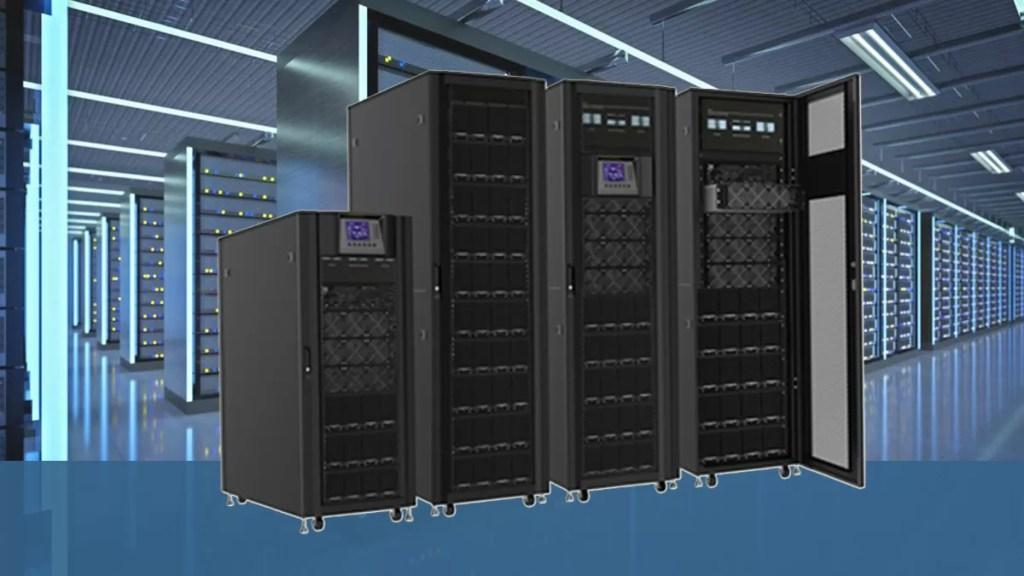
When I compare modular UPS with traditional systems, I see clear advantages.
Better uptime
- Continuous power supply even during module failure
- High reliability for critical applications
Lower maintenance effort
- Easy to service one module at a time
- No full system shutdown needed
Cost control
- Pay as you grow
- No large upfront investment
Energy efficiency
- Modules can run based on load
- Reduces power waste
Modular UPS vs Traditional UPS
Here is a simple comparison based on my work:
Modular UPS system
- Flexible expansion
- Easy maintenance
- High redundancy
- Better for growing data centers
Traditional UPS
- Fixed capacity
- Hard to upgrade
- Single point of failure risk
- Less flexible
Where Modular UPS is Used
I have seen modular UPS used in many places:
- Data centers
- Server rooms
- Telecom setups
- Cloud infrastructure
- IT companies with high uptime needs
Any place where power cannot fail even for a second can benefit from this system.
Important Things to Consider
Before choosing a ups modular type system, I always check these points:
- Total load requirement
- Future expansion plans
- Battery backup time needed
- Space available in racks
- Cooling and ventilation
Planning these things early avoids problems later.
Final Thoughts
From my experience, a modular ups system is one of the best choices for a modern data center. It gives flexibility, reliability, and control over power management. As data centers continue to grow, this type of ups systems becomes more practical and cost effective.
If someone is building or upgrading a data center, I always suggest looking seriously at modular UPS technology. It saves time, money, and effort in the long run.
Frequently Asked Questions (FAQs)
1. What is a modular UPS system and how is it different from a normal UPS
A modular ups system is made of small power modules that work together. A normal ups system is usually a single large unit. I prefer modular systems because I can expand them easily and manage failures without shutting everything down.
2. Why are modular UPS systems used in data centers
Data centers need constant power without interruption. A ups modular type system provides backup even if one module fails. This helps maintain uptime and protects important data and services.
3. Can I upgrade a modular UPS system later
Yes, this is one of the biggest advantages. I can add more modules anytime based on load growth. There is no need to replace the full ups systems setup.
4. What happens if one module fails in a modular UPS
If one module stops working, other modules continue to supply power. This feature is called redundancy. It helps avoid downtime in critical environments like a data center.
5. Is a modular UPS system cost effective
In my experience, it is cost effective in the long run. I can start small and invest as needed. Maintenance is also easier, which reduces overall costs over time.