
I have worked closely with digital tools and online platforms, and I have seen one clear truth. Technology grows fast, but control over it grows slowly. This is why many people now say that ai transformation is a problem of governance and not just a technical issue.
When people talk about artificial intelligence, they often focus on new features, robotic systems, and smart tools. But I look at something deeper. I look at how decisions are made, who controls the systems, and how risks are handled.
Why Governance Matters More Than Technology
In my experience, most companies do not fail because of bad tools. They fail because they do not manage those tools properly.
Artificial intelligence is powerful. It can handle data, automate tasks, and support decision making. But without proper governance, it creates confusion and risk.
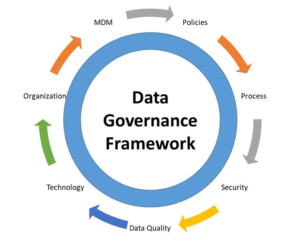
Here is what I have seen:
- Teams use AI tools without clear rules
- Data is used without proper checks
- Decisions are made without human review
- Responsibility is not clearly defined
This is where the real problem starts. The issue is not AI itself. The issue is how people manage it.
The Role of Platforms Like X and Twitter
I have also noticed how platforms like X and Twitter shape public thinking about AI.
These platforms spread information very fast. Sometimes they spread useful knowledge. But many times, they also spread confusion.
People share opinions about artificial intelligence without full context. This creates noise instead of clarity.
From what I have seen:
- Trends move faster than facts
- Complex topics are simplified too much
- Wrong ideas about AI regulation spread quickly
This makes governance even harder. Leaders must make decisions in an environment full of mixed signals.
Key Governance Problems in AI Transformation
I believe there are several core problems that organizations face during AI transformation.
1. Lack of Clear Regulation
Rules for AI are still evolving in 2026. Many companies are unsure about what is allowed and what is not.
- Different countries follow different policies
- Laws change quickly
- Compliance becomes difficult
Without strong regulation, companies take risks without knowing the full impact.
2. Poor Management Structure
In many projects, I have seen confusion about roles.
- Who is responsible for AI decisions
- Who checks the output
- Who handles errors
Without proper management, even the best AI systems fail.
3. Weak Contextual Understanding
AI works on data, but it does not always understand real world context.
This is where contextual intelligence becomes important. Humans understand emotions, culture, and intent. Machines often do not.
Because of this gap:
- AI may give incorrect suggestions
- Decisions may lack human judgment
- Results may not match real needs
4. Economic and Ethical Concerns
AI transformation also creates economic challenges.
- Jobs may change or disappear
- Costs of implementation are high
- Smaller businesses struggle to compete
There are also ethical issues:
- Bias in algorithms
- Privacy concerns
- Misuse of data
These problems require strong governance, not just better tools.
Disadvantages of Poor AI Governance
From my experience, poor governance leads to serious disadvantages.
- Loss of trust from users
- Legal risks and penalties
- Poor project outcomes
- Wasted investment in AI tools
Many AI projects fail not because the technology is bad, but because governance is weak.
What Good Governance Looks Like
I always suggest focusing on structure before scaling AI.
Good governance includes:
- Clear rules for AI usage
- Defined roles and responsibilities
- Regular audits and checks
- Strong data protection policies
- Human involvement in key decisions
When these elements are in place, AI becomes useful and safe.
AI Transformation in 2026 and Beyond
In 2026, AI is no longer a future idea. It is already part of daily business operations. But the governance gap is still visible.
I believe companies that focus on governance will succeed. Those that ignore it will face problems.
Artificial intelligence is not just about building smart systems. It is about managing them responsibly.
Final Thoughts
From everything I have seen, I strongly believe that ai transformation is a problem of governance more than anything else.
Technology is only one part of the story. The real challenge is control, responsibility, and decision making.
If we fix governance, AI will work better for everyone. If we ignore it, even the best systems will fail.
FAQs
What does ai transformation is a problem of governance mean
It means the main issue is not the technology itself. The real problem is how people manage artificial intelligence, set rules, and control its use.
Why is governance important in artificial intelligence
Governance ensures that AI systems are used safely and correctly. It helps reduce risks, protects data, and makes sure decisions are checked by humans.
What are the biggest problems in AI governance
The biggest problems include lack of clear regulation, poor management structure, weak contextual understanding, and ethical concerns like bias and privacy.
How do platforms like X and Twitter affect AI understanding
Platforms like X and Twitter spread information very fast. They can create awareness but also confusion because not all shared information is accurate or complete.
What are the disadvantages of poor AI governance
Poor governance can lead to loss of trust, legal issues, failed projects, and wasted money on AI tools.
How can companies improve AI governance
Companies can improve governance by setting clear rules, defining roles, checking AI outputs regularly, and keeping humans involved in important decisions.
Is AI regulation necessary in 2026
Yes, regulation is very important in 2026 because AI is widely used. Proper rules help control risks and ensure responsible use.
What is contextual intelligence in AI
Contextual intelligence means understanding real world situations, emotions, and human behavior. AI often lacks this, so human input is still important.
Does AI transformation affect the economy
Yes, it affects jobs, business costs, and competition. Some jobs change or disappear, while new opportunities are created.